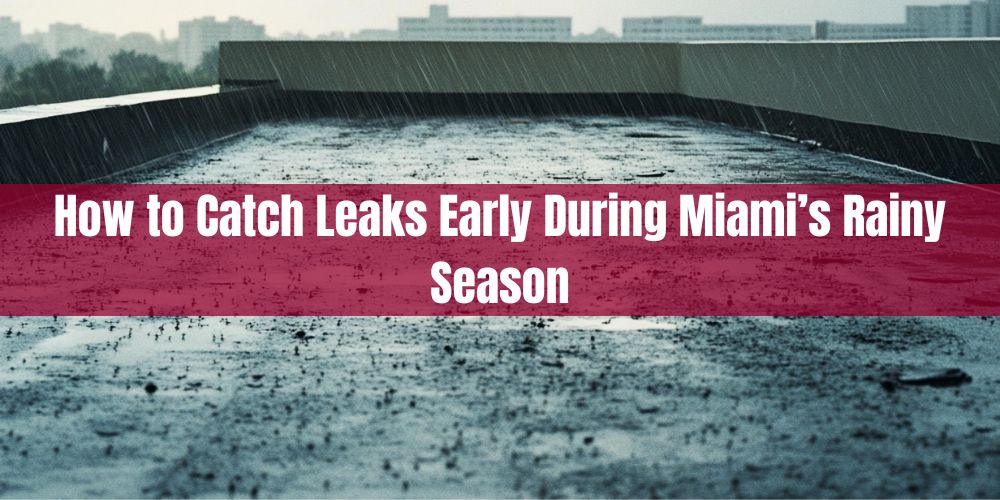
To catch leaks early during Miami’s rainy season, regularly inspect your commercial roof for signs of water intrusion, such as discoloration or soft spots on ceilings, which can quickly indicate where emergency repairs might be needed. Given Miami's tropical climate, heavy rain combined with hurricane threats increases the risk of roof leaks for commercial buildings. Regular inspections are essential during the wet season, allowing building owners and facility managers to address minor issues before they escalate into significant structural damage. For Miami commercial property managers, early leak detection is crucial to maintaining a safe and operational facility amidst the seasonal downpours. In this blog, we'll delve into the best practices for identifying potential leaks, proactive maintenance strategies, and expert insights on navigating Miami's challenging rainy season.
What Are the Common Signs of Roof Leaks in Commercial Buildings?
Common signs of roof leaks in commercial buildings include water stains, mold growth, and dripping water. Identifying these signs early is crucial to prevent further structural damage and costly repairs. Regular inspections and timely maintenance can help detect these issues before they escalate.
To effectively identify roof leaks, consider the following common signs:
- Water Stains: Discolorations on ceilings or walls indicate water intrusion.
- Mold or Mildew Growth: Presence of fungi suggests moisture and potential leaks.
- Dripping or Bubbling Paint: Paint damage signals ongoing water issues beneath surfaces.
- Musty Odors: Persistent odors can imply hidden moisture problems within structures.
- Puddles or Pooling Water: Accumulated water reveals areas of poor drainage or leaks.
1. Water Stains: Discolorations on ceilings or walls indicate water intrusion.
Water stains are visible marks left by water that's penetrated through the roofing membrane. These stains often appear as brownish, circular discolorations on ceiling tiles or drywall. In commercial environments, these can particularly indicate a breach in the roofing system, requiring immediate attention to prevent damage. Ignoring water stains can lead to further water damage and potential mold growth, making early detection crucial. Addressing these stains quickly can help pinpoint the source of the leak and allow for targeted repairs. Regularly checking ceilings and walls for any signs of water stains is essential for maintaining the integrity of a building's interior and preventing expensive repairs.
2. Mold or Mildew Growth: Presence of fungi suggests moisture and potential leaks.
Mold and mildew are fungi that thrive in damp environments, indicating moisture infiltration. Their growth inside a building often suggests a recurring problem with leaks or inadequate ventilation. It's common to find them in hidden areas such as behind walls or above ceiling tiles where water accumulates unnoticed. During routine inspections, noticing mold can help identify areas affected by roof leaks. Mold not only damages building materials but also requires prompt action due to health concerns it poses to occupants. Professional assessments may be necessary to locate and repair leaks effectively, ensuring that mold does not return and the underlying moisture issues are resolved.
3. Dripping or Bubbling Paint: Paint damage signals ongoing water issues beneath surfaces.
Dripping paint or bubbling behind a wall's surface can signify persistent water exposure over time. This phenomenon occurs when water infiltrates a wall or ceiling and gets absorbed by the drywall or wood, causing the paint to lose adhesion. In commercial buildings, such damage often appears after heavy rainfalls or due to condensation issues. Observing these signs could mean a compromised roof that has allowed water to seep into the structures. Prompt investigation and repair can halt further water ingress and preserve the building's aesthetics. Ensuring proper repairs are done will help retain the value of commercial property and avoid tenant dissatisfaction or safety hazards due to deteriorating walls or ceilings.
4. Musty Odors: Persistent odors can imply hidden moisture problems within structures.
A musty odor is often the first indicator of mold growth or unseen water leaks. These odors stem from damp conditions that facilitate the growth of microbial organisms and decay in building materials. In commercial buildings, persistent musty smells might originate from hidden roof leaks affecting insulation or internal structures. Detecting these odors during regular walkthroughs can lead to early identification of problematic areas. Addressing the source of moisture causing these odors is crucial to preventing further health issues and ensuring a pleasant environment. A thorough inspection and remediation plan should be put in place to eradicate the source of moisture and eliminate musty odors effectively.
5. Puddles or Pooling Water: Accumulated water reveals areas of poor drainage or leaks.
Puddles or pools of water inside a building or on the roof might suggest inadequate drainage or significant leaks. These pools occur when water cannot drain away properly, often due to blocked gutters, poor roof design, or other obstructions. Visually checking for such accumulations after rainstorms can be a primary method to detect leaks. Puddles on or near the roof might lead to further degradation of roofing materials if not addressed promptly. Regular maintenance, including keeping drainage systems clear, can prevent water from accumulating and causing damage. Addressing drainage issues promptly will not only prevent leaks but also protect the building's structural integrity and longevity.
Have a question about an upcoming project?
How Can Regular Inspections Mitigate Leak Risks During Miami's Rainy Season?
Regular inspections can identify and address potential weaknesses in roofing, reducing leaks during Miami's rainy season. Miami's heavy rainfall and humidity can exacerbate even small roofing issues, leading to significant water damage if left unaddressed. Consistent monitoring ensures problems such as damaged shingles or clogged gutters are resolved promptly, protecting overall building integrity.
Regular roof inspections are crucial in preventing leaks by identifying vulnerabilities early. Here are the key aspects to focus on during inspections in Miami:
- Identify Damaged Areas: Spot and repair damaged shingles or tiles immediately.
- Check Sealant: Ensure sealants around vents and skylights are intact.
- Clear Drainage Systems: Remove debris from gutters and downspouts to prevent water accumulation.
- Inspect Flashing: Verify that flashing is secure and properly installed to prevent leaks.
- Assess Roof Membranes: Check for punctures or tears in roof membranes that could allow water infiltration.
1. Identify Damaged Areas: Spot and repair damaged shingles or tiles immediately.
Identifying and repairing damaged shingles or tiles is critical for maintaining roof integrity. In Miami's rainy season, damaged shingles can lead to water seeping into the roofing system. Early detection and repair prevent small issues from developing into serious leaks. Consistent inspection of the roof's surface allows for timely maintenance. This proactive approach protects against water damage and prolongs the roof's lifespan.
2. Check Sealant: Ensure sealants around vents and skylights are intact.
Sealants around vents and skylights prevent water from entering through roof openings. Without intact sealants, Miami's heavy rains could exploit these vulnerabilities, leading to roof leaks. Regular inspections help maintain these sealants, reducing potential water ingress. Properly maintained sealants are crucial for a roof’s watertightness, particularly in a climate as wet as Miami's. Inspections allow building owners to address minor sealant issues before they escalate.
3. Clear Drainage Systems: Remove debris from gutters and downspouts to prevent water accumulation.
Keeping gutters and downspouts clear ensures rainwater is properly directed away from the roof. Debris in drainage systems can lead to water pooling, increasing the risk of leaks and roof damage during heavy rains. Inspections should focus on ensuring efficient water flow. A well-maintained drainage system is essential in preventing water accumulation and associated damage. Regular cleaning and checks help keep these systems functional, especially during Miami’s rainy season.
4. Inspect Flashing: Verify that flashing is secure and properly installed to prevent leaks.
Flashing is used at roof joints and edges to prevent water penetration via seams. Loose or improperly installed flashing can introduce leak points into the roofing structure. During inspections, ensuring flashing is secure helps mitigate potential water entry. Frequent checks on flashing can identify problems caused by weather and time. Addressing these promptly enhances the roof’s overall resistance to leaks, crucial during periods of intense rainfall.
5. Assess Roof Membranes: Check for punctures or tears in roof membranes that could allow water infiltration.
Roof membranes serve as a waterproof layer, critical for preventing moisture ingress. Any punctures or tears can compromise this barrier, leading to potential leaks. Regular inspections help identify and repair such issues before Miami's heavy rainfall exacerbates them. By maintaining the integrity of roof membranes through regular assessments, building owners minimize the risk of water damage. It's an effective strategy for prolonging the roof's effectiveness during Miami’s rainy season.
What Preventative Measures Can Be Implemented to Protect Commercial Roofs?
Regular maintenance and proactive measures can significantly extend the lifespan of commercial roofs. Implementing routine inspections, timely repairs, and protective enhancements ensures the roof remains resilient against environmental stresses. Prevention not only minimizes repair costs but also safeguards the building's interior and structural integrity.
Below is a guideline of the most important preventative measures for protecting commercial roofs:
- Regular Inspections: Identify potential issues before they become major problems.
- Clean Gutters and Drains: Prevent water buildup and roof damage.
- Roof Coatings: Enhance durability and reflect sunlight.
- Vegetation Control: Avoid root damage and moisture retention.
- Timely Repairs: Address minor damages immediately to avoid larger issues.
1. Regular Inspections: Identify potential issues before they become major problems.
Regular inspections involve systematically checking the roof for damage or wear. Routine inspections help in early detection, allowing for timely repairs and maintenance. By identifying issues early, you can avoid costly repairs and maintain the roof's integrity. These inspections should be scheduled at least twice a year, especially after severe weather events, ensuring that any wear and tear is promptly addressed to prolong the roof's lifespan.
2. Clean Gutters and Drains: Prevent water buildup and roof damage.
Cleaning gutters and drains ensures water flows away from the roof efficiently. Blocked gutters can cause water to pool, leading to leaks and structural damage over time. Keeping them clear prevents water-related problems, preserving roof health. Regular maintenance of gutters and drains, particularly during the fall when debris buildup is common, can stave off potential water damage and extend the roof’s functionality.
3. Roof Coatings: Enhance durability and reflect sunlight.
Roof coatings involve applying a protective layer to prevent damage and reflect UV rays. This protective layer minimizes weathering and can reduce energy costs by reflecting sunlight. Coatings also serve as a first line of defense against environmental elements. Using high-quality roof coatings enhances the roof’s resistance to UV rays, improves energy efficiency, and contributes to the overall longevity of the roof, making them a valuable investment.
4. Vegetation Control: Avoid root damage and moisture retention.
Vegetation control means managing plant growth near or on the roof. Uncontrolled vegetation can cause significant roof damage through root intrusion and moisture buildup. Keeping nearby vegetation in check protects the roof and prevents unnecessary maintenance issues. Regular trimming and removal of excess vegetation, particularly around roof edges, can prevent potential damage and support a healthier, longer-lasting roofing system.
5. Timely Repairs: Address minor damages immediately to avoid larger issues.
Timely repairs involve fixing small problems before they escalate. Addressing minor damages promptly can prevent them from developing into significant issues, saving on repair costs and downtime. This approach ensures the structural integrity is maintained. By committing to a proactive approach where small repairs are made quickly, businesses can enhance safety and prolong the service life of their commercial roofs.
Detecting leaks early during Miami’s rainy season is essential for maintaining the integrity and longevity of your commercial roof. By recognizing commercial roof leak signs Miami, such as water stains, mold growth, or unusual odors, you can take timely action to prevent more significant damage. Utilizing advanced roof leak detection Florida techniques, like infrared scanning and moisture surveys, can help identify hidden issues before they escalate into costly repairs. Proactive maintenance and regular inspections are key to enduring Miami's unique climate and protecting your commercial property effectively.
If you are interested in learning more about roof leak detection or require professional assistance in safeguarding your commercial roof, do not hesitate to get in touch with us through our contact form. Our skilled team at Commercial Roofing Miami is ready to provide tailored solutions and help you maintain a leak-free roof this rainy season.