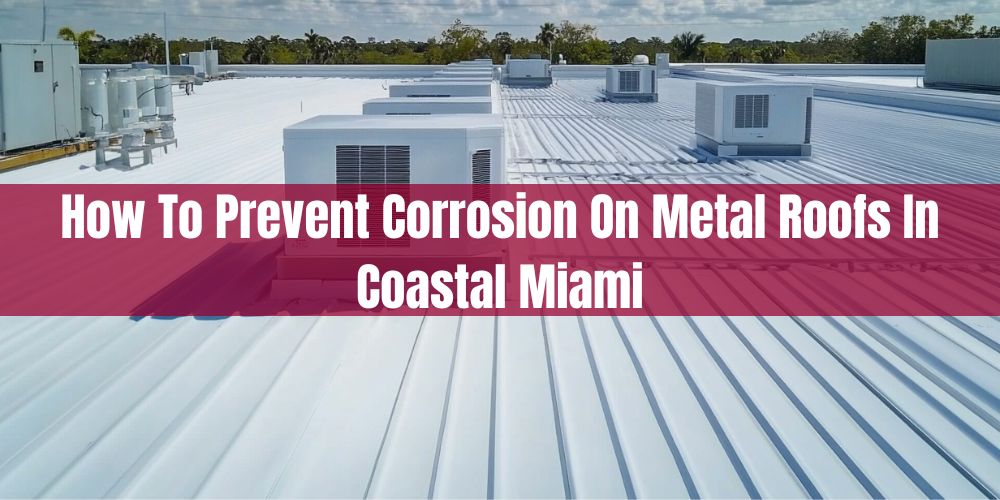
To prevent corrosion on metal roofs in coastal Miami, applying an anti-corrosive primer or coating is essential to protect the metal surfaces from the high humidity and salty air specific to this region. The coastal environment in Miami accelerates the corrosion process due to the saline air and frequent rain, which can damage unprotected metal roofing materials. Routine maintenance like cleaning and inspections, along with timely application of protective coatings, is crucial for longevity and structural integrity of metal roofs exposed to these aggressive elements. For Miami building owners and facility managers, knowing the best strategies for corrosion prevention can save significant repair costs and extend the life of your metal roof. In this blog, we will explore effective methods for protecting metal roofs in the corrosive coastal climate of Miami, offering expert advice on implementation and maintenance strategies.
What Environmental Factors in Coastal Miami Contribute to Metal Roof Corrosion?
Salt-laden air and high humidity significantly accelerate metal roof corrosion in Miami. The coastal environment in Miami exposes metal roofs to salty air, high moisture levels, and intense sunlight, which can all contribute to the degradation of roofing materials over time. Protecting metal roofs in this area requires understanding and mitigating these environmental factors to extend their lifespan and maintain their structural integrity.
Several key environmental factors in Miami increase the risk of metal roof corrosion, and focusing on these can help in prevention.
- Salt-laden Air: High salt content in coastal air accelerates metal corrosion.
- High Humidity: Consistently high humidity levels expedite the corrosion process.
- Intense Sunlight: Prolonged UV exposure can degrade protective coatings on metal.
- Heavy Rainfall: Frequent rain can lead to water pooling and increased corrosion.
- Hurricane Winds: Storms can cause physical damage and trap moisture against metal surfaces.
1. Salt-laden Air: High salt content in coastal air accelerates metal corrosion.
Salt-laden air refers to the presence of salt particles in the atmosphere, particularly near coastal areas. In places like Miami, the relentless intrusion of salty air can rapidly corrode exposed metal surfaces, including roofing materials. Salt particles can penetrate protective coatings, causing rust and weakening metal structures over time. This process not only diminishes the aesthetic appeal of metal roofs but also compromises their structural integrity, making regular maintenance and the use of corrosion-resistant materials essential in such environments.
2. High Humidity: Consistently high humidity levels expedite the corrosion process.
High humidity means there is a large amount of moisture in the air. Consistent humidity levels in Miami create an atmosphere where moisture readily condenses on surfaces, accelerating the corrosion of metal roofs. Moisture acts as a medium to facilitate electrochemical reactions on metal surfaces, leading to rust formation. For metal roofs, this means more frequent inspections and proactive measures are necessary to prevent deterioration, such as applying protective coatings and ensuring proper ventilation to manage moisture buildup.
3. Intense Sunlight: Prolonged UV exposure can degrade protective coatings on metal.
Intense sunlight refers to strong and sustained exposure to ultraviolet (UV) rays. In coastal Miami, constant UV exposure can cause the protective coatings on metal roofs to break down, leaving the underlying metal vulnerable to environmental effects. Once coatings degrade, the metal beneath is more susceptible to oxidation and rust. To counteract this, reflective or UV-resistant coatings can be applied, and regular maintenance can ensure that coatings remain intact, extending the roof's lifespan and reducing potential corrosion.
4. Heavy Rainfall: Frequent rain can lead to water pooling and increased corrosion.
Heavy rainfall describes a significant volume of rain falling in a short period. Miami's tropical climate is characterized by frequent and intense rainfall, which can lead to pooling of water on metal roofs. Standing water accelerates corrosion, especially if it infiltrates protective barriers. Effective roofing design, including proper drainage systems and regular inspections, is critical to prevent water accumulation, which helps in maintaining the roofing system's durability against corrosion.
5. Hurricane Winds: Storms can cause physical damage and trap moisture against metal surfaces.
Hurricane winds refer to the extremely strong, sustained winds from a hurricane or storm system. When hurricanes or strong storms hit Miami, the force of the winds can cause structural damage to roofs, exposing metal elements to moisture and attracting corrosion. Additionally, debris carried by the wind can scratch coatings, adding more vulnerabilities. Preparing metal roofs for such events by reinforcing structures and repairing any damages promptly after a storm helps minimize the corrosive impact of wind and moisture on metal roofs.
Have a question about an upcoming project?
How Can Material Selection Play a Role in Preventing Roof Corrosion?
Choosing the right roofing material significantly reduces the likelihood of corrosion. The selection of materials can influence how well a roof withstands environmental factors that lead to corrosion. Understanding the properties of different materials helps in making informed decisions that enhance the longevity and performance of the roof.
Here are some crucial factors to consider when selecting materials to combat roof corrosion:
- Corrosion Resistance: Materials inherently resistant to rust and environmental degradation.
- Material Coatings: Protective layers that enhance durability and resist environmental damage.
- Non-Metal Materials: Options that naturally avoid rust, reducing corrosion risk.
- Moisture Management: Materials that prevent water retention, thus reducing corrosion potential.
- Compatibility: Using materials that won't cause galvanic corrosion when combined.
1. Corrosion Resistance: Materials inherently resistant to rust and environmental degradation.
Corrosion resistance refers to a material's ability to withstand damage caused by oxidization and other chemical reactions. By choosing materials like stainless steel or aluminum which possess strong corrosion resistance properties, you can greatly extend the life of the roofing system. These materials endure varied weather conditions and drastically reduce the rate at which a roof might degrade due to environmental factors. Selecting corrosion-resistant materials is a proactive measure to ensure long-lasting roof performance.
2. Material Coatings: Protective layers that enhance durability and resist environmental damage.
Material coatings are specialized substances applied to roofing materials to protect them from damage. Coatings like zinc, polymer, or elastomeric layers offer a barrier against harsh weather and UV radiation, which are common corrosion catalysts. Applying such coatings can significantly delay the onset of rust by minimizing direct exposure of the metal surface to corrosive elements. The choice of a suitable coating, tailored to the specific environmental conditions, is crucial for effective corrosion prevention.
3. Non-Metal Materials: Options that naturally avoid rust, reducing corrosion risk.
Non-metal materials like asphalt, PVC, or rubber avoid the chemical reactions that cause metal corrosion. These materials provide alternative solutions where traditional metal roofing may fail due to rust issues. By utilizing non-metal materials, building owners can reduce maintenance costs and extend the lifespan of their roofs. Choosing non-metal options is ideal in highly corrosive environments or areas with high humidity and salt exposure.
4. Moisture Management: Materials that prevent water retention, thus reducing corrosion potential.
Moisture management involves using materials designed to repel water and facilitate drainage. Proper moisture management ensures that water does not accumulate on the roof surface, which can lead to corrosion over time. Roofing systems that include efficient water-repelling materials help maintain the structural integrity of the roof by preventing leaks and rust formation. This approach is vital in regions prone to heavy rainfall or snow.
5. Compatibility: Using materials that won't cause galvanic corrosion when combined.
Compatibility is about selecting materials that do not react adversely when used together in a roofing system. Galvanic corrosion occurs when two dissimilar metals are in contact and subjected to moisture, leading to accelerated deterioration. Carefully choosing compatible materials ensures that the roofing components work harmoniously without promoting corrosion. This consideration is particularly important when designing roofs that incorporate multiple material types, ensuring an extended lifespan for the entire structure.
What Regular Maintenance Practices Can Help Protect Metal Roofs from Corrosion?
Regular maintenance practices such as cleaning, inspections, and repairs are crucial for protecting metal roofs from corrosion. Metal roofs are durable and can last for decades, but they are vulnerable to rust and corrosion without proper care, especially in harsh weather conditions or areas with high humidity. Implementing consistent maintenance routines can significantly extend the lifespan of a metal roof by preventing damage before it starts.
Here are the most important maintenance practices to protect metal roofs from corrosion:
- Regular Cleaning: Removing dirt, debris, and organic materials routinely.
- Inspections: Checking for rust, loose panels, and damaged areas regularly.
- Sealant Reapplication: Ensuring seals around fasteners and joints are intact.
- Damage Repairs: Promptly fixing scratches, dents, or leaks that may expose metal.
- Gutter Maintenance: Keeping gutters clean to prevent water buildup and roof damage.
1. Regular Cleaning: Removing dirt, debris, and organic materials routinely.
Regular cleaning involves removing any accumulation of dirt, debris, or organic materials from the metal roof's surface.These materials can trap moisture against the metal, accelerating corrosion if not removed regularly. Cleaning should be performed carefully to avoid scratching the metal surface, which can also lead to rust. Utilizing non-abrasive cleaning tools and appropriate detergent solutions can effectively maintain the roof without damaging it. Establishing a routine cleaning schedule, ideally bi-annually or after significant weather events, is recommended to keep the roof free from corrosive agents.
2. Inspections: Checking for rust, loose panels, and damaged areas regularly
Inspections involve systematically examining the metal roof to identify and address potential problems. This practice is essential in detecting early signs of rust or metal panel loosening that can lead to significant corrosion. Trained professionals should perform inspections at least twice a year, as they can also spot hard-to-see areas of concern. Identifying and fixing small issues during inspections can prevent them from developing into costly repairs. Inspection reports can guide future maintenance decisions, adding a preventive layer to the roof's overall care.
3. Sealant Reapplication: Ensuring seals around fasteners and joints are intact
Sealant reapplication involves checking and maintaining the waterproof seals on fasteners and metal roof joints. Over time, exposure to weather elements can cause sealants to crack or degrade, compromising their effectiveness. Regularly inspecting these seals and reapplying as necessary helps prevent water ingress, which can lead to rust formation. It's crucial to use high-quality roofing sealants designed for metal roofs to ensure long-term protection. Employing a professional to assess and handle sealant application can ensure that the correct materials and techniques are used efficiently.
4. Damage Repairs: Promptly fixing scratches, dents, or leaks that may expose metal.
Damage repairs focus on addressing any physical damage to the metal roof that exposes the underlying metal to moisture. Prompt identification and repair of scratches, dents, or leaks can prevent water from seeping into the metal, which leads to corrosion. Immediate attention to these repairs minimizes the potential for larger structural issues that could warrant a full roof replacement. Using compatible repair materials ensures that the repaired areas blend seamlessly with the existing roof, preserving its protective functions and aesthetic appearance. Consistently monitoring for damage post-repair ensures any recurrence is handled swiftly.
5. Gutter Maintenance: Keeping gutters clean to prevent water buildup and roof damage.
Gutter maintenance involves cleaning and managing the drainage systems surrounding the roof. Clogged or damaged gutters can result in water pooling on the roof or backing up, increasing the risk of corrosion along the roofline. Regularly clearing leaves, debris, and other blockages ensures proper water flow away from the roof and its protective covering. Functional gutters reduce the potential for ice dams in colder climates, which can also compromise the metal roof's integrity. Routine gutter inspections should coincide with roof inspections to maintain holistic rooftop health. Regular maintenance can significantly extend the life and performance of both the roof and gutter systems.
Effectively preventing corrosion on metal roofs in coastal Miami requires a dedicated approach to maintaining the integrity and longevity of your roofing system. Given the harsh conditions posed by the salty air and humid climate, implementing proven strategies such as salt air roof corrosion protection and regular maintenance are essential. Utilizing quality solutions like metal roof coating Miami can significantly enhance protection against rust and deterioration, ultimately extending the lifespan of your commercial roof. Proactive measures involving routine inspections and timely repairs will ensure that your roof remains resilient and functions optimally in the challenging coastal environment.
If you're looking for more expert advice on protecting your metal roof from coastal elements or need a professional assessment, please do not hesitate to get in touch with us through our contact form. Our experienced team at Commercial Roofing Miami is ready to assist you with tailored solutions to keep your metal roof in pristine condition.