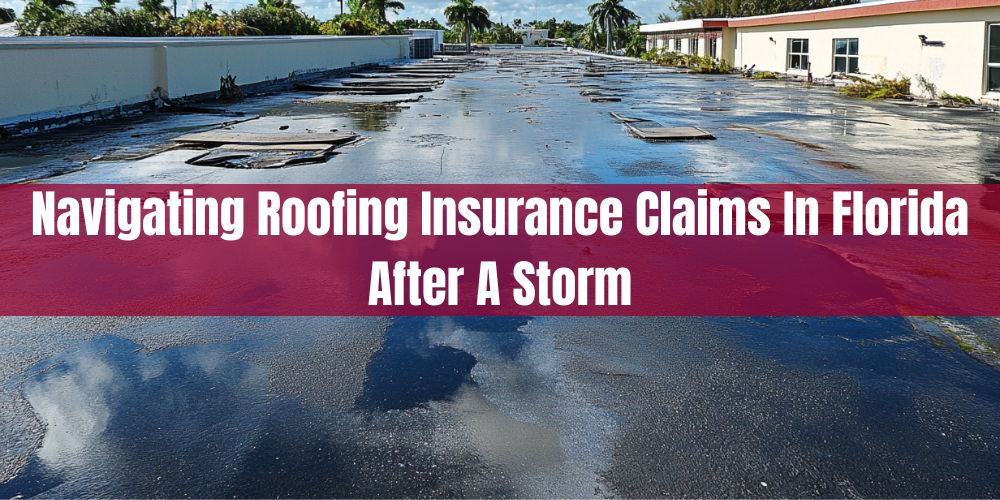
To successfully navigate roofing insurance claims in Miami, FL, it's crucial to thoroughly document all storm damage with photographs and promptly report issues to your insurance provider to ensure adherence to policy terms and expedite the claims process. Miami's unpredictable weather, including hurricanes and tropical storms, often leads to roof damage, making detailed records and timely inspection reports key to your insurance claim's success. Additionally, collaborating with a local roofing contractor who understands the intricacies of Miami's building codes and insurance requirements can streamline the process and improve the chances of a favorable outcome.
For commercial property owners and facility managers in Miami, managing roofing insurance claims efficiently can mean the difference between swift repairs and prolonged business interruptions. In this blog, we will delve deeper into the best practices for handling insurance claims, offering expert advice tailored to Miami's unique climate challenges and legal landscape.
What Are the Key Steps to File a Roofing Insurance Claim for Your Commercial Property?
Determine damages, document extensively, and promptly contact your insurer for a smoother claim process. Filing a roofing insurance claim for commercial property involves understanding your policy, capturing thorough evidence, and effectively communicating with your insurer. It's essential to ensure that every necessary documentation and step is followed to facilitate quicker resolution and payment.
Begin your claim process by focusing on the following key steps:
- Review your insurance policy for coverage details and requirements.
- Document damage with photos and detailed notes immediately after the incident.
- Notify your insurer promptly about the damage and your intent to file a claim.
- Get a professional roofing inspection and written estimate for repair or replacement.
- Communicate consistently with your insurance adjuster, providing all required documentation.
1. Review your insurance policy for coverage details and requirements.
Understanding your policy helps you know what's covered and any specific claim requirements. Reviewing your commercial property insurance policy is crucial before making a claim. This step ensures you are aware of the coverage, limits, and any exclusions that may apply to roofing damage. The policy will also outline the documentation and steps required, helping you avoid unnecessary delays or denials. Knowing these details can aid you in filing a successful claim, allowing for an efficient repair process.
2. Document damage with photos and detailed notes immediately after the incident.
Capturing immediate evidence of damage strengthens your claim and helps validate your repair needs. As soon as the damage occurs, start documenting the situation with clear photographs and comprehensive notes. This lost prevent the declaration of invalid claim due to missing evidence. Detailing the immediate after-effects, including mentioning the time and date of the incident, adds credibility to your claim. This documentation can be used to corroborate the situation when discussing it with insurance adjusters.
3. Notify your insurer promptly about the damage and your intent to file a claim.
Quick notification to your insurer allows for a faster adjustment process and quicker resolutions. Informing the insurance company right after damage occurs is essential to initiate the claims process. Reporting quickly indicates compliance with your policy's timelines and demonstrates diligence. This ensures that the claim gets processed sooner and could help you receive faster responses or support from your insurer. Timely notifications could also prevent complications in claim acceptance.
4. Get a professional roofing inspection and written estimate for repair or replacement.
A professional assessment is vital to gauge damage severity and estimated repair costs accurately. An expert evaluation and their subsequent report are often required by insurance companies before proceeding with claims. The inspection will provide a comprehensive damage assessment and recommended next steps for repairs. Hiring a trusted roofing professional can provide an unbiased view and generate a repair estimate, further supporting your insurance claim. This can help avoid disagreements or claim rejections due to inaccurate damage assessments.
5. Communicate consistently with your insurance adjuster, providing all required documentation.
Orderly communication with adjusters helps in resolving claims efficiently by avoiding miscommunications. Once the claim is underway, consistent and transparent communication with your insurance adjuster is necessary. Providing all requested documents and additional information demonstrates your cooperation and aids in the processing of your claim. Keeping detailed records of all interactions and ensuring you respond promptly ensures that the claim process is smooth. Proactive engagement means any issues or queries can be addressed quickly, facilitating a faster resolution.
Have a question about an upcoming project?
How Can You Ensure Your Commercial Roofing Claim Is Accurate and Complete?
Ensuring the accuracy and completeness of a commercial roofing claim requires meticulous documentation and thorough inspection. An accurate claim is crucial to receive appropriate compensation or coverage for roofing repairs or replacement, preventing financial loss. Completing a roofing claim accurately involves organized documentation, clear communication, and professional assessments.
Here is a structured approach to ensure your commercial roofing claim is precise and thorough:
- Detailed Inspection: Conduct comprehensive inspections by qualified professionals.
- Documentation: Collect all relevant documents, including photos and reports.
- Policy Review: Understand your insurance policy's coverage and limitations.
- Professional Estimates: Obtain estimates from reputable roofing contractors.
- Clear Communication: Maintain consistent communication with your insurance provider.
1. Detailed Inspection: Conduct comprehensive inspections by qualified professionals.
Detailed inspections are crucial for identifying all damages and potential issues in the roofing system. A thorough examination by a knowledgeable professional ensures no damage is overlooked, leading to a more accurate claim. Regular inspections can preemptively identify issues, thus reducing the risk of further damage. Engaging a qualified inspector provides a fair assessment, supporting the claim with credible findings while ensuring all areas of concern are thoroughly documented and conveyed to insurers.
2. Documentation: Collect all relevant documents, including photos and reports.
Comprehensive documentation is essential for substantiating a roofing claim with visual and written evidence. High-quality photos and detailed reports help in building a strong case for your insurance claim. This documentation provides the necessary proof for insurers to understand the extent of the damage. Organized records of maintenance history, damage, and repair estimates allow for more transparent communication with the insurance company and can expedite claim processing.
3. Policy Review: Understand your insurance policy's coverage and limitations.
Reviewing your policy ensures you are aware of what is covered and any exclusions. Understanding your policy aids in setting realistic expectations and helps in preparing a precise claim. Familiarity with the coverage limits prevents any surprise denials or disputes with the insurer. This knowledge empowers you to effectively negotiate and justify your claims based on the aligned terms of the policy, ensuring a smoother claims process.
4. Professional Estimates: Obtain estimates from reputable roofing contractors.
Getting estimates from credible contractors provides an accurate assessment of repair costs. Contractor estimates are vital for ensuring your claim reflects realistic repair needs and costs. These estimates offer a third-party validation to your claim, strengthening its validity. Choosing reputable contractors ensures reliability and accuracy, providing detailed cost breakdowns that insurers are more likely to accept without contest.
5. Clear Communication: Maintain consistent communication with your insurance provider.
Effective communication minimizes misunderstandings and facilitates the swift processing of your claim. Constant updates and prompt responses to insurer inquiries demonstrate transparency and cooperation. This ongoing dialogue can smooth the progress of claim settlements and aid in addressing any insurer concerns immediately. Clear communication also involves ensuring all parties have access to the same set of information, reducing the risk of disputes or delays in claim processing.
What Should You Expect During the Commercial Roofing Insurance Claim Process?
The commercial roofing insurance claim process involves several key steps to ensure proper compensation for damages. Understanding these steps can help you navigate the process more smoothly and increase your chances of a successful claim. Preparation, documentation, and effective communication are crucial components in managing your insurance claim effectively.
Here's a step-by-step guide to what you can expect during the commercial roofing insurance claim process:
- Initial Assessment: Inspect roof and document damages with detailed photos and notes.
- Contact Insurance: Inform your insurance company about the damages as soon as possible.
- Professional Evaluation: Hire a roofing contractor to provide an expert damage evaluation and repair estimate.
- Claims Adjustment: Meet with the insurance adjuster to discuss the evaluation and claim details.
- Claim Resolution: Finalize the claim, agree on compensation, and initiate necessary roof repairs.
1. Initial Assessment: Inspect roof and document damages with detailed photos and notes.
An initial assessment involves a thorough inspection of the roof to identify and document all visible damages. This step is crucial for establishing a baseline of damage that will support your insurance claim. Accurate documentation with photos and notes will ensure all issues are reported and accounted for during the claims process. Consider enlisting a professional roofer to assist with the inspection for a more comprehensive evaluation. Their expertise can help in identifying damages that might not be visible to the untrained eye, thus strengthening your claim.
2. Contact Insurance: Inform your insurance company about the damages as soon as possible.
Contacting your insurance company promptly is essential to start the claim process efficiently. Quickly notifying your insurer helps expedite the evaluation and approval process, preventing potential delays. It also ensures that the insurance company acknowledges your claim within any deadlines stipulated in your policy. Having your policy number and all necessary documentation ready when contacting them can streamline communication and show that you are prepared and proactive in the claims process.
3. Professional Evaluation: Hire a roofing contractor to provide an expert damage evaluation and repair estimate.
A professional evaluation involves getting a detailed assessment and repair estimate from a qualified roofing contractor. This expert evaluation provides a credible source of information on the extent of the damages and repair costs needed, which can be valuable during discussions with the insurance adjuster. A detailed estimate from a reputable contractor can also support your claim for adequate compensation. Choose a contractor with a good reputation and experience in handling insurance claims to ensure a thorough and accurate evaluation.
4. Claims Adjustment: Meet with the insurance adjuster to discuss the evaluation and claim details.
The claims adjustment involves a meeting between you, the insurance adjuster, and possibly your contractor. During this meeting, you'll discuss the assessment of damages, the repair plan, and associated costs with the adjuster. Having your contractor present can verify the accuracy of the evaluation and help negotiate fair compensation. Being well-prepared with all documentation and understanding your policy terms will aid in smoother discussions and help facilitate an agreement on the claim.
5. Claim Resolution: Finalize the claim, agree on compensation, and initiate necessary roof repairs.
Claim resolution is the final step where the claim is settled, and repairs can begin. After reaching an agreement with the insurance company on compensation, you can initiate the necessary roof repairs to restore your commercial property. A timely settlement and repair process can prevent further damage and loss to your business operations. Ensure that the agreed compensation covers all required repairs and that the contractor follows through on restoring your roof to its pre-damage condition.
In summary, effectively managing roofing insurance claims in Florida involves a comprehensive understanding of the Miami roof insurance process and ensuring you have the right support to guide you through the complexities. By meticulously documenting damage, promptly reporting issues, and enlisting professional assistance, you can navigate the claims process more smoothly and ensure that your commercial roofing is restored to its optimal condition. With the unpredictable nature of Florida weather, being proactive and informed is crucial in protecting your investment and maintaining a secure and robust roofing system for your business.
If you need commercial roof claim help or more information on navigating your Miami roof insurance process, we encourage you to reach out to us. Use the contact form on our website to get in touch with our experienced team at Commercial Roofing Miami. We're here to provide the guidance and support you need to ensure a hassle-free claims experience.