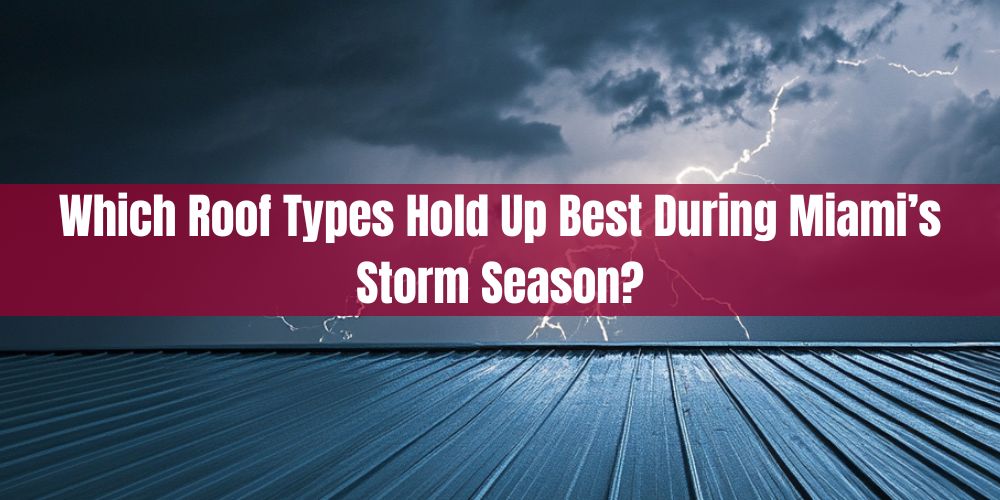
Among the various roof types, metal roofs hold up best during Miami's storm season due to their excellent wind resistance and durability against heavy rains and strong winds common in South Florida's climate. Metal roofing systems are designed to withstand wind speeds up to 140 mph or more, making them ideal for the intense conditions experienced during Miami's hurricane season. Additionally, they offer superior water-shedding capabilities, reducing the risk of water intrusion and associated damage during prolonged rainy periods. For commercial property owners and facility managers in Miami, selecting the right roofing material is crucial for minimizing storm-related damage and maintaining structural integrity. In this blog, we’ll delve into why metal roofs are the most reliable option, explore other materials, and discuss strategies to ensure commercial roofs are storm-ready in Miami's challenging weather conditions.
What Are the Most Common Commercial Roof Types Used in Miami?
The most common commercial roof types in Miami include TPO, PVC, EPDM, modified bitumen, and metal roofs. Miami's hot and humid climate influences the choice of roofing materials, emphasizing durability and energy efficiency. These roof types provide effective protection against the elements while supporting energy-saving strategies.
Here is a list of the most common commercial roof types used in Miami, ranked by importance based on local climate considerations and performance needs:
- TPO: Offers energy efficiency and UV resistance suitable for Miami's hot climate.
- PVC: Highly durable against moisture and resistant to Miami's salt air exposure.
- Modified Bitumen: Provides strong waterproofing and flexibility in high humidity.
- Metal: Durable and energy-efficient, reflecting Miami's intense sunlight.
- EPDM: Known for its durability and ability to handle Miami's fluctuating temperatures.
1. TPO: Offers energy efficiency and UV resistance suitable for Miami's hot climate.
TPO (Thermoplastic Polyolefin) is a single-ply roofing membrane known for its energy efficiency. In Miami, TPO is favored due to its ability to reflect UV rays, reducing cooling costs. This roofing type helps maintain cooler building interiors, vital for comfort in Miami's heat. Besides energy efficiency, TPO roofs offer durability and resistance to pollutants, making them suitable for the region's environmental conditions. Building owners appreciate its cost-effectiveness, creating both immediate and long-term savings on energy bills.
2. PVC: Highly durable against moisture and resistant to Miami's salt air exposure.
PVC (Polyvinyl Chloride) roofing is celebrated for its strength and ability to resist weathering. In Miami, where humidity and salt air can accelerate damage, PVC roofs are particularly beneficial. Their robust construction provides prolonged performance by averting moisture penetration and resisting chemical conditions. PVC roofs also enhance fire resistance and are adaptable to a range of building designs. Despite higher upfront costs, they can prove economical over time due to reduced maintenance requirements.
3. Modified Bitumen: Provides strong waterproofing and flexibility in high humidity.
Modified bitumen is a type of membrane roofing that incorporates polymers to improve performance. This style is suitable for Miami because it complements the city's high humidity with its excellent waterproof barrier features. Buildings benefit from the flexible nature of these roofs which can effectively handle thermal expansion. They are often chosen for their easy repair capabilities and proven reliability in various weather conditions, aiming for a good balance between cost and long-term serviceability.
4. Metal: Durable and energy-efficient, reflecting Miami's intense sunlight.
Metal roofing utilizes various metals like aluminum or steel, characterized by longevity and minimal maintenance. In Miami, metal roofs are popular for their ability to reflect solar heat and minimize cooling demands. Their high durability makes them an attractive choice for resilience against storms and extreme weather. Furthermore, metal roofs are environmentally friendly, often composed of recycled materials and fully recyclable, adding to their appeal in eco-conscious projects. Costlier upfront, they offer a sustainable and enduring roofing solution.
5. EPDM: Known for its durability and ability to handle Miami's fluctuating temperatures.
EPDM (Ethylene Propylene Diene Monomer) is a synthetic rubber roofing membrane prized for its resilience. Its flexibility and ability to tolerate high and low temperatures make it suitable for Miami's climate variance. EPDM roofs provide an excellent barrier against UV rays, ensuring longevity under the city's intense sun. Cost-effective and easy to install, EPDM is also efficient in sealing roofs with a variety of configurations. Their adaptability and low maintenance needs make them attractive for various commercial roofing projects.
Have a question about an upcoming project?
How Do Different Roofing Materials Perform Under Storm Conditions?
Roofing materials vary in their resilience to storm conditions, affecting their durability and lifespan. Metal and slate are known for their excellent storm resistance, while asphalt shingles and wood can be more susceptible to damage. Understanding the material's performance can help in making informed decisions about roof installations.
Here is a list of important factors to consider when evaluating roofing material performance under storm conditions:
- Wind Resistance: Structurally designed to withstand high wind speeds during storms.
- Impact Resistance: Capable of enduring hail and wind-driven debris impacts.
- Water Resistance: Effectively prevents water infiltration and damage during heavy rainstorms.
- Fire Resistance: Materials resist catching fire from lightning strikes and electrical issues.
- Longevity: Maintains structural integrity and aesthetics under repeated storm exposure.
1. Wind Resistance: Structurally designed to withstand high wind speeds during storms.
Wind resistance refers to a material's ability to withstand strong wind forces without being displaced. Strong windstorms can cause significant uplift on roofing materials. Materials such as metal and slate are designed to handle high wind pressures. Choosing materials with good wind resistance not only prevents damage during storms but also reduces maintenance costs due to fewer necessary repairs.
2. Impact Resistance: Capable of enduring hail and wind-driven debris impacts.
Impact resistance measures a material's ability to absorb or deflect force from falling objects like hailstones. Hailstorms can cause severe damage, especially to materials like asphalt shingles which may crack or become punctured. Materials like rubber roofing or those rated as impact-resistant can minimize damage, ensuring the roof remains intact after such events.
3. Water Resistance: Effectively prevents water infiltration and damage during heavy rainstorms.
Water resistance is key to ensuring a roof prevents water penetration during torrential rains. Standing water and leaks can lead to mold growth and structural damage if not managed effectively. Using materials with excellent water resistance, like metal and certain synthetic options, can significantly reduce risks associated with water damage.
4. Fire Resistance: Materials resist catching fire from lightning strikes and electrical issues.
Fire resistance indicates the material's ability to withstand fire damage and prevent spreading. Lightning strikes and electrical malfunctions during storms pose potential fire hazards to roofing materials. Opting for fire-resistant materials such as slate or treated metal roofs can significantly enhance safety during storm conditions.
5. Longevity: Maintains structural integrity and aesthetics under repeated storm exposure.
Longevity refers to the lifespan of roofing materials and their capacity to endure over time. Repeated storms can weaken roofs, leading to early replacements if the materials used are not robust. Materials like metal or clay tiles can often sustain their form and function through numerous storm cycles, justifying their higher initial investment with long-term benefits.
Which Roofing Solutions Offer the Best Long-term Resilience for Miami Businesses?
Installing a reflective, waterproof membrane such as TPO or PVC offers Miami businesses long-term resilience. These materials perform exceptionally well due to their durability, resistance to UV rays, and ability to withstand extreme weather conditions including heat and hurricanes common in Miami.
When selecting a roofing solution for Miami's unique climate, the following factors are crucial to ensure resilience:
- Weather Resistance: Strong against Miami's hurricanes and coastal climate.
- UV Protection: Reflects sunlight preventing heat absorption and material degradation.
- Waterproofing: Assures leak prevention during heavy rain and flooding conditions.
- Wind Resistance: Securely holds even during high wind events like hurricanes.
- Energy Efficiency: Minimizes cooling costs by reducing heat transfer.
1. Weather Resistance: Strong against Miami's hurricanes and coastal climate.
Weather resistance refers to a roof's capacity to withstand Miami's harsh climatic conditions, including heavy rain and hurricanes. For Miami businesses, having a roof that can endure severe storms is essential to protect property and assets. Materials like TPO and PVC are especially resilient, ensuring minimal damage from frequent tropical storms and hurricanes.
2. UV Protection: Reflects sunlight preventing heat absorption and material degradation.
UV protection involves using roofing materials that can reflect ultraviolet rays effectively. This factor is critical in Miami due to the city's consistent exposure to intense sunlight. Reflective materials reduce heat absorption, contributing to a more comfortable indoor environment and prolonging the roof's lifespan.
3. Waterproofing: Assures leak prevention during heavy rain and flooding conditions.
Waterproofing ensures that the roof does not allow water penetration even during severe rainfall. Given Miami’s tendency for heavy downpours and high humidity, an effective waterproofing system is vital to prevent leaks and structural water damage. TPO and PVC roofing offer excellent waterproof capabilities due to their seamless membranes and water-resistant properties.
4. Wind Resistance: Securely holds even during high wind events like hurricanes.
Wind resistance is a roof's ability to remain intact under high-speed wind conditions. Miami often experiences strong winds, especially during hurricane season, making wind-resistant roofing solutions imperative for business continuity. Modern roofing technologies enhance wind resistance by using secure fastening systems and durable materials.
5. Energy Efficiency: Minimizes cooling costs by reducing heat transfer.
Energy efficiency involves reducing the energy required to cool building interiors. In Miami’s hot climate, roofs that reflect sunlight and minimize heat transfer can significantly cut down on energy costs. Opting for energy-efficient roofing solutions like white TPO or cool roofs can lead to considerable cooling cost savings over time.
In conclusion, selecting the best roofing for hurricanes is vital for ensuring that your commercial property remains resilient during Miami’s storm season. By choosing storm-resistant commercial roofs Miami that are designed to withstand high winds and heavy rainfall, you can significantly reduce the risk of damage and costly repairs. Materials such as metal, concrete, and modified bitumen are excellent choices for businesses looking to protect their investments against severe weather. Investing in a durable and reliable roof not only offers peace of mind but also enhances the long-term integrity of your building against the elements.
If you're seeking expert advice on the best storm-resistant commercial roofs in Miami or need a professional evaluation, we encourage you to reach out to us. Use our contact form to get in touch, and our knowledgeable team at Commercial Roofing Miami will be delighted to assist you with comprehensive storm protection solutions tailored to your specific needs. Whether it’s exploring storm damage commercial roof repair or learning more about commercial roof replacement options, we are here to help guide you through every step of the process.